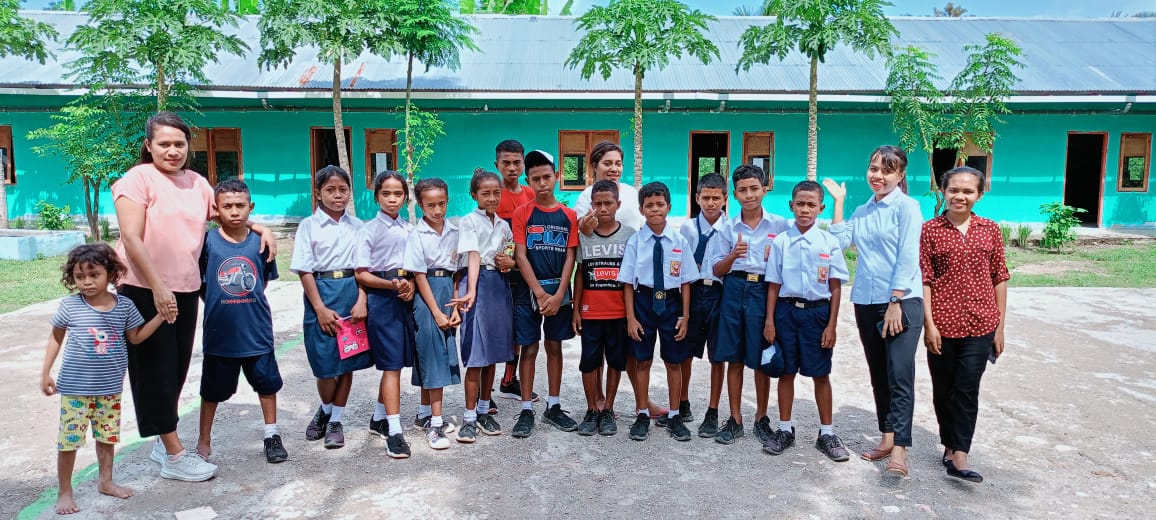
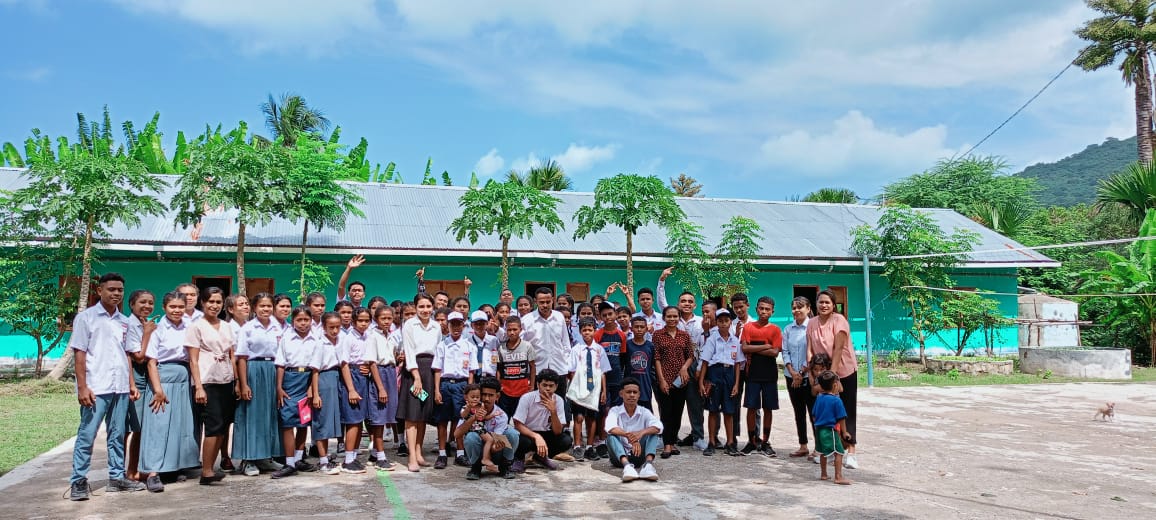
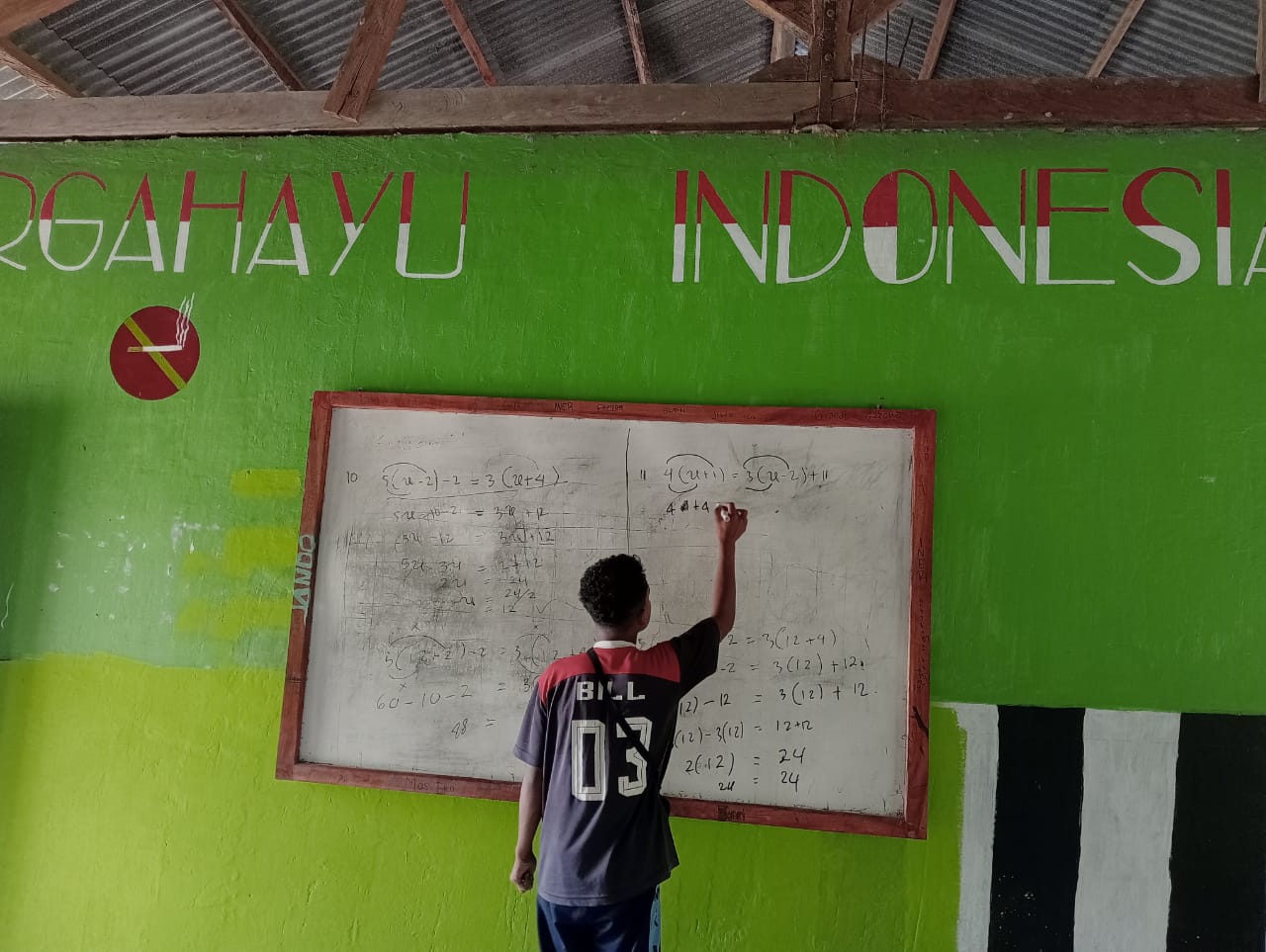
In the remote village of Oetuke, we hear a strong call for good education, a wish for a future where every child gets the same chance to learn, grow, and become who they want to be. The journey to make this wish come true is hard, especially for children who can’t get to school easily because it’s too far and expensive to travel. This is where our story starts, with Junior High School (SMP) Oetuke becoming a light of hope and learning for all the kids in this far-away village.
Location
Why SMP Oetuke Is So Important
SMP Oetuke isn’t just a school – it’s an answer to a big need. After finishing elementary school (SD), kids in Oetuke face a big problem: the nearest junior high school is a tough two-hour walk away. It’s a hard and unsafe trip, and the cost of getting a ride is too much for many families. Plus, the quality of education in available schools isn’t good enough. For instance, even after 12 years of school (up to SMA level), students struggle with basic math and don’t know basic facts about Indonesia.
Facing Problems with Smart Solutions
Building new school buildings in remote areas like Oetuke is really tough. So, we’ve decided not to focus on building right now. Instead, our main goal is to create a great curriculum and make sure we have the best teachers.
Even without new buildings, we believe that good teaching and a strong curriculum can make real learning happen anywhere. While the village will manage classrooms, using spaces in current schools like SMAK or SD, we will work hard to make sure the education the kids get is powerful and helps them succeed.
Update 2024
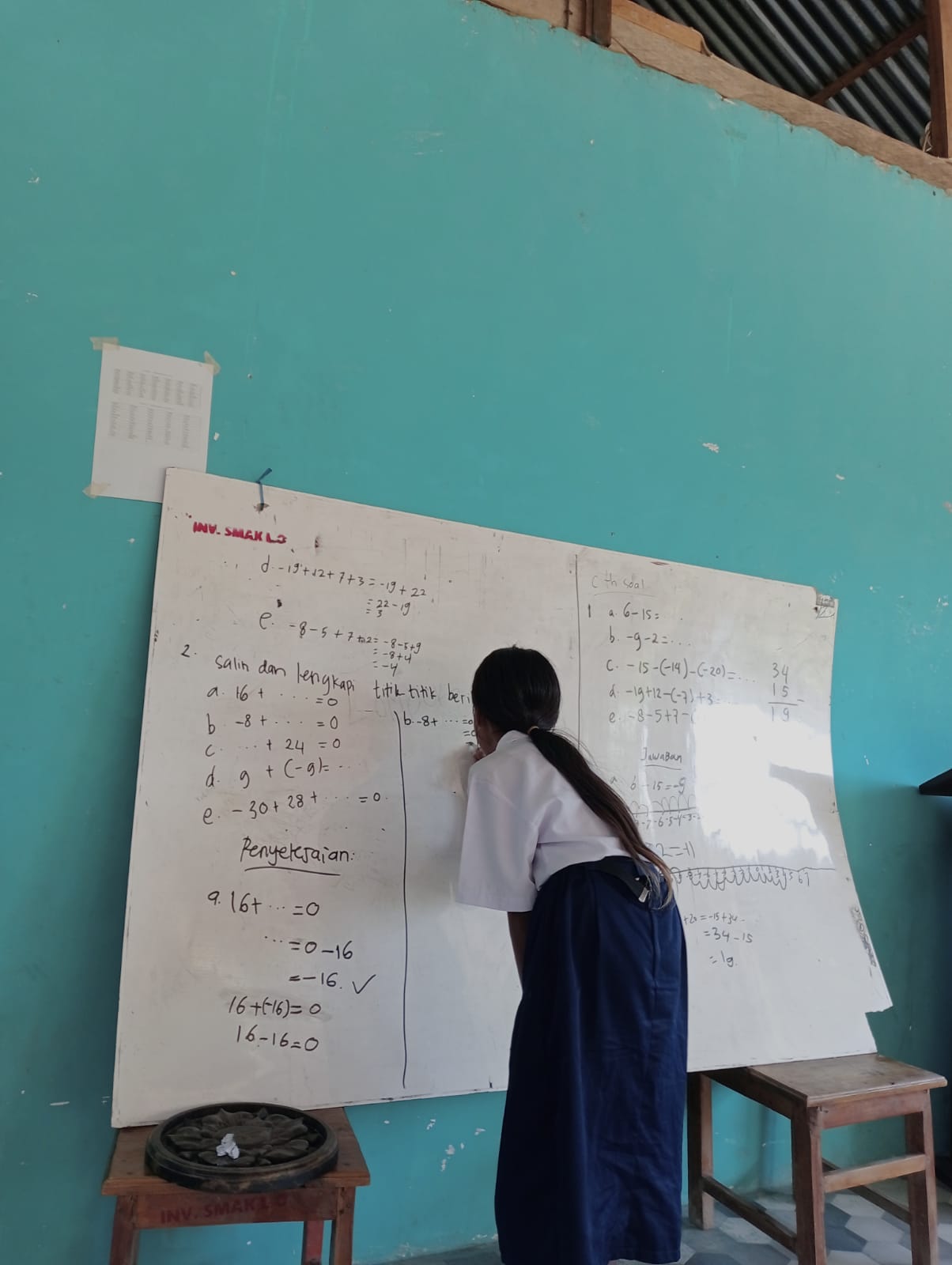
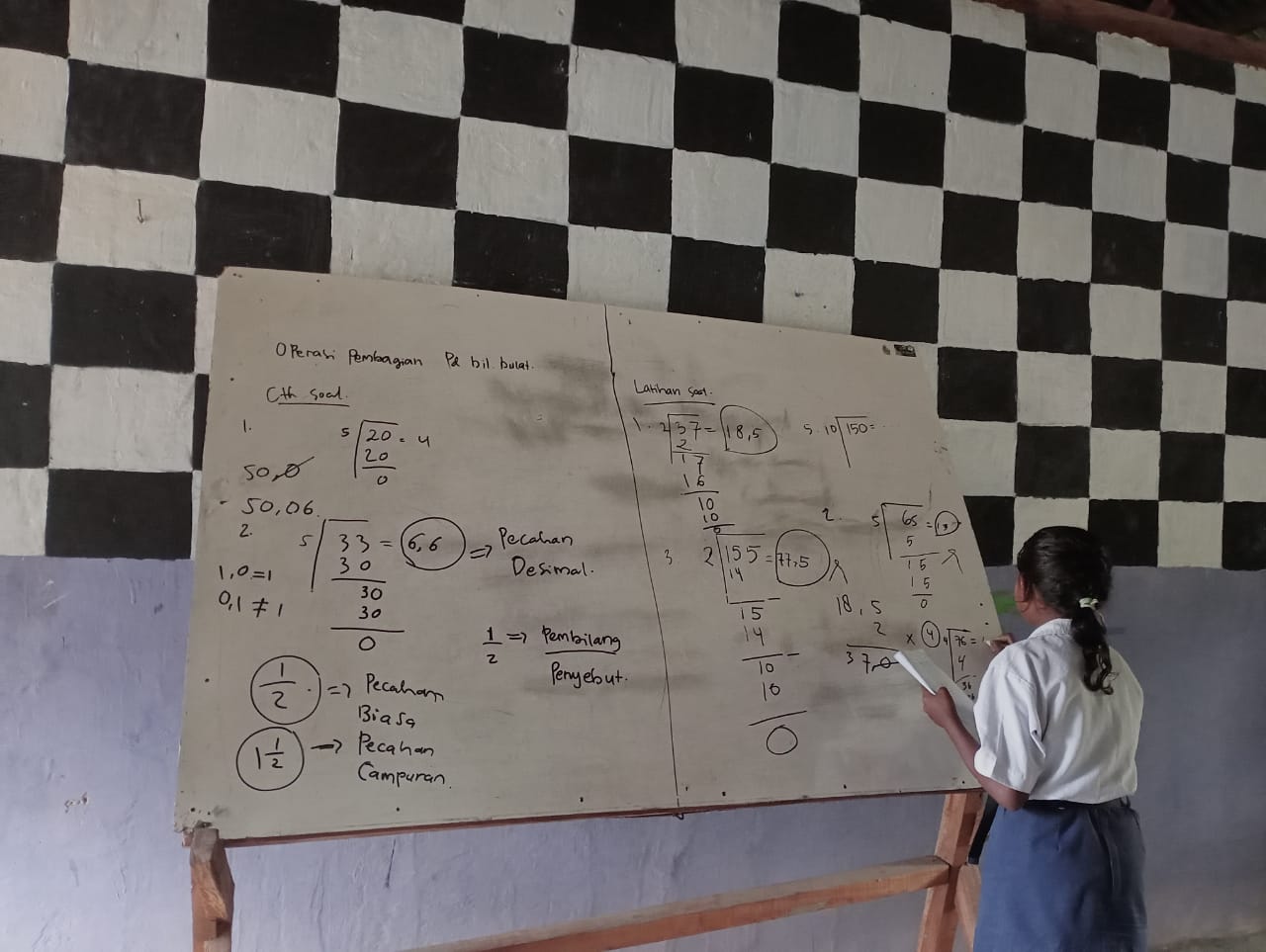
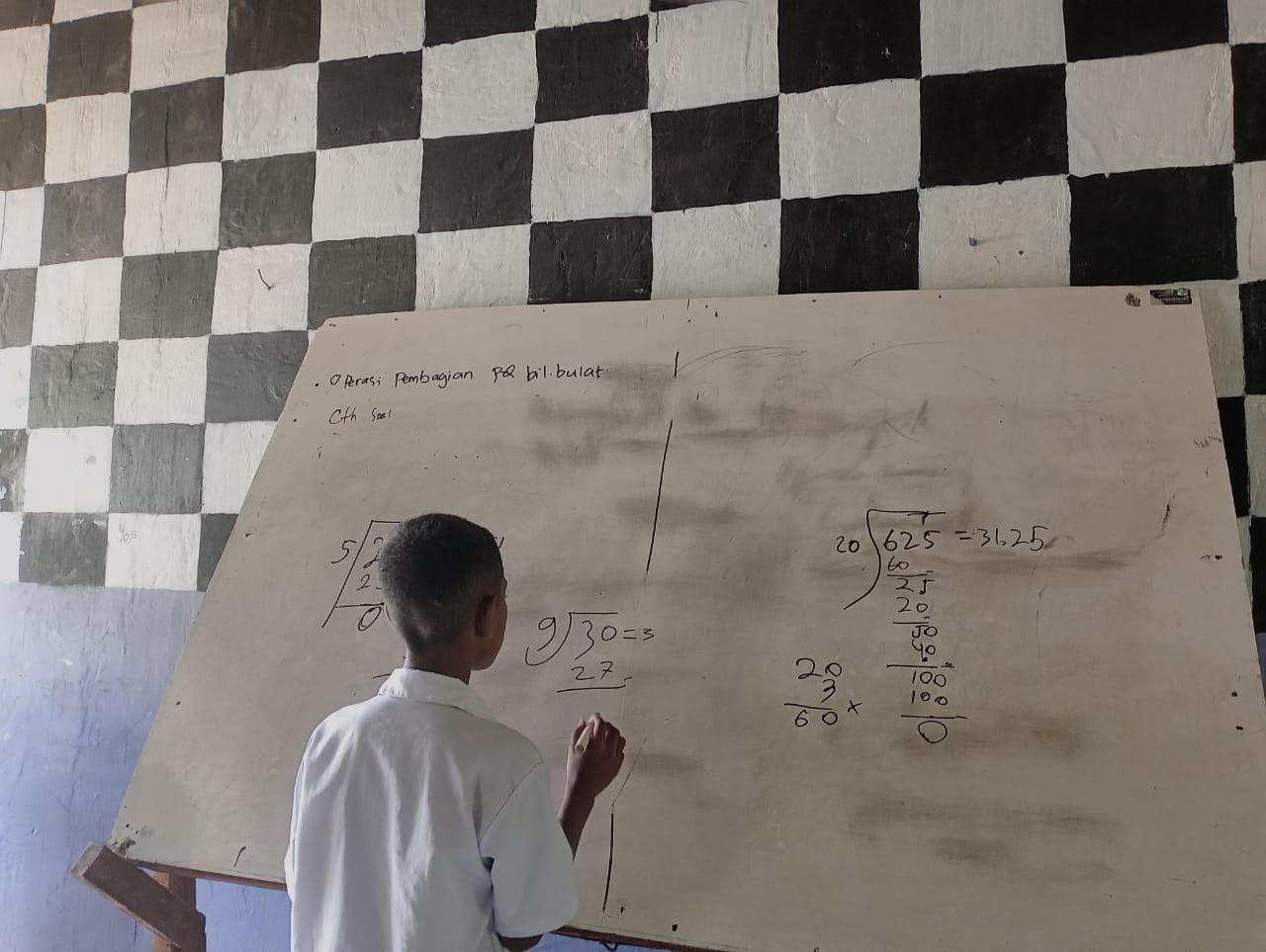
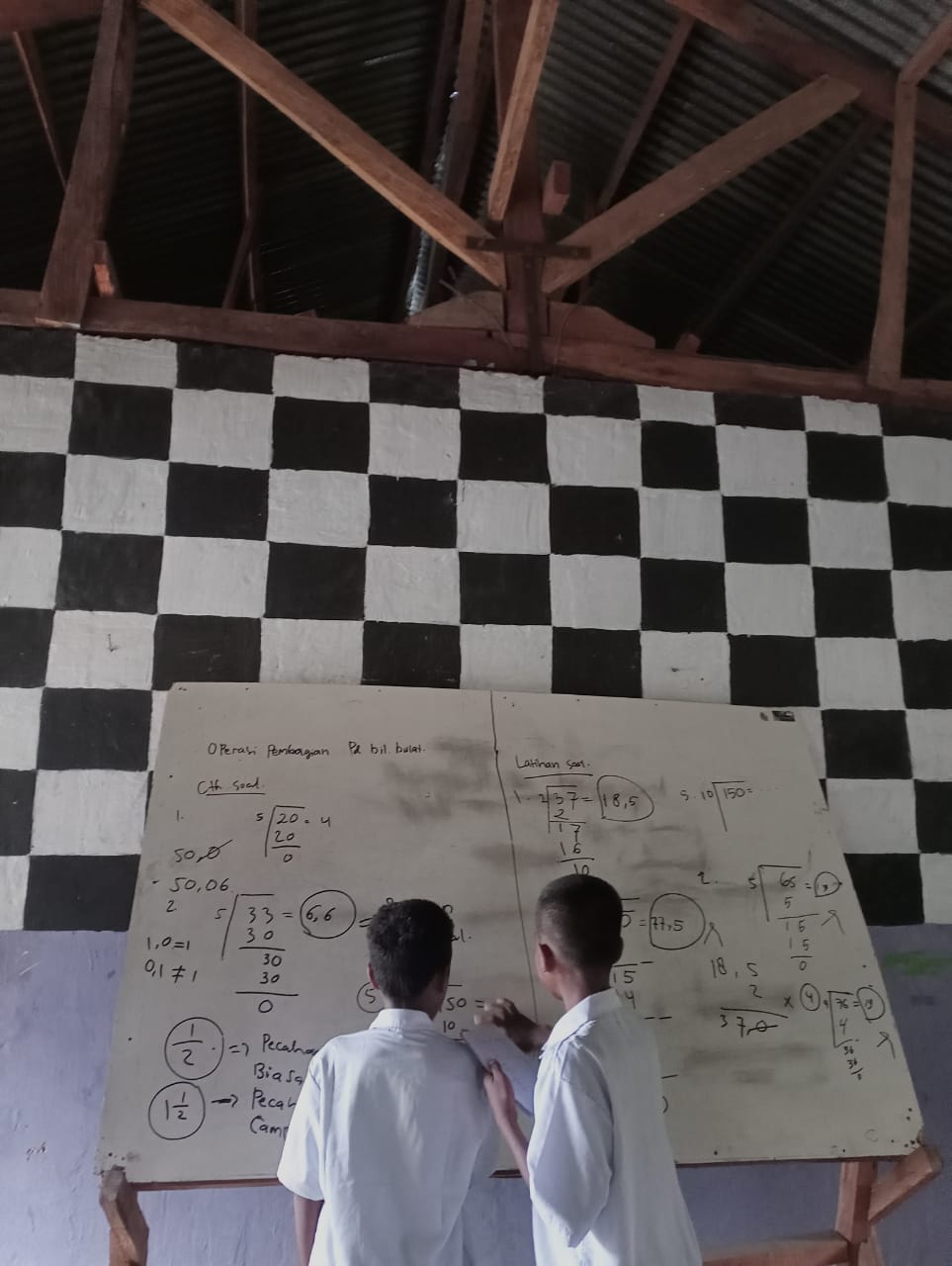
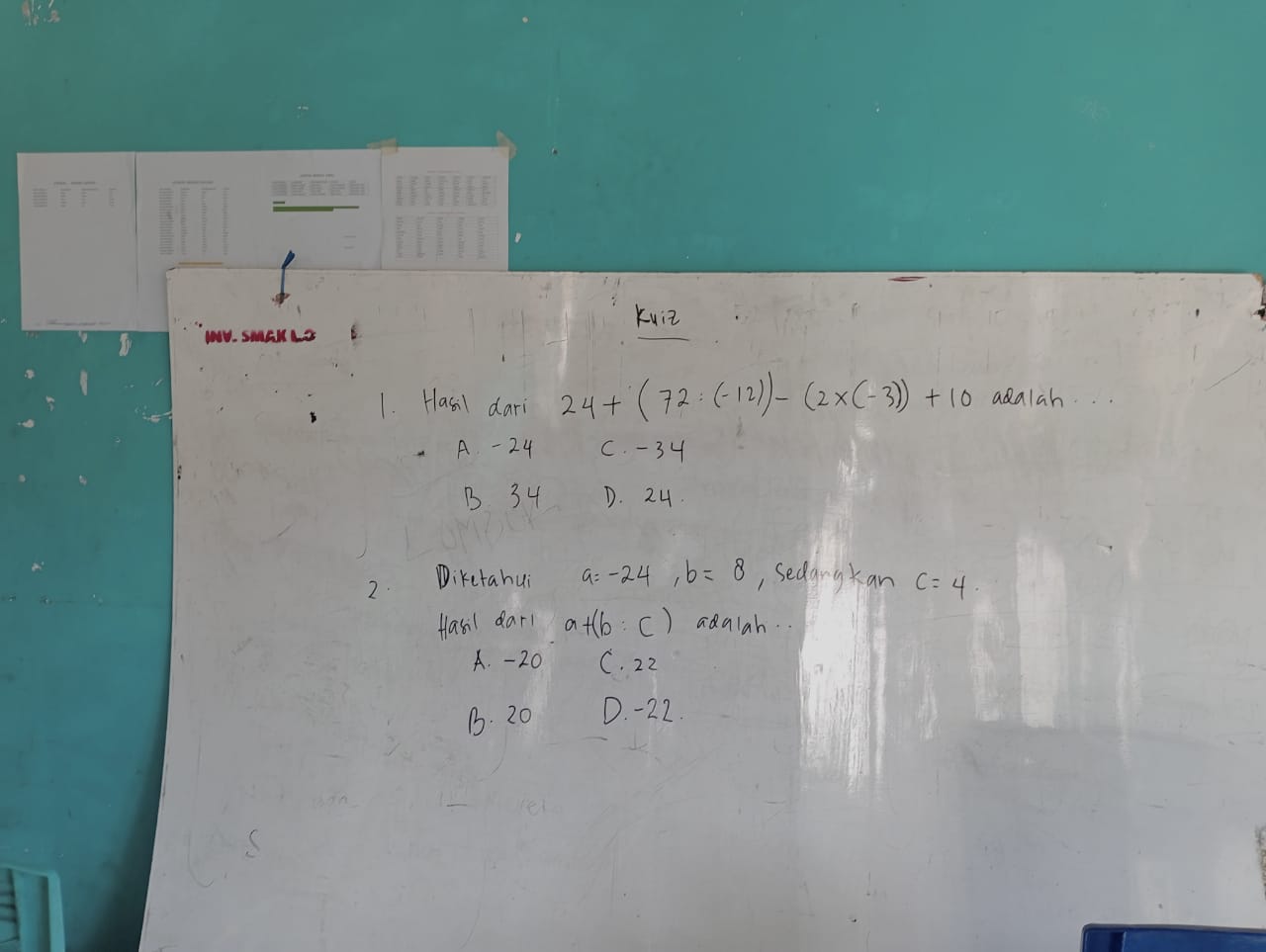
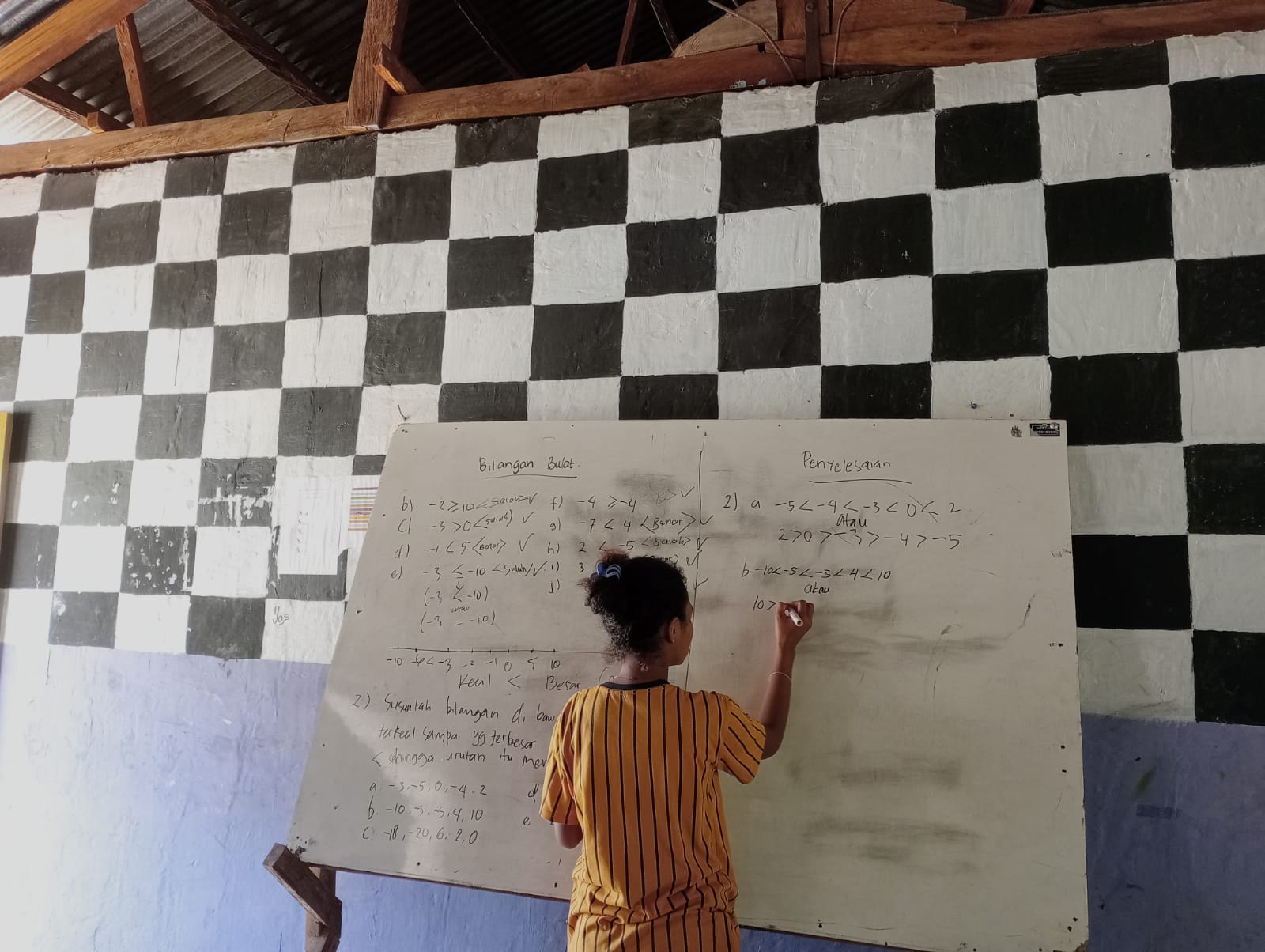
At EGI, we always aim to focus our efforts where they are most needed while making the greatest impact with the resources we have. Currently, our primary focus is on the education center in Kotolin, and since we have not yet secured the land certificate for Oetuke, we are not proceeding with school construction there at this time. However, we are addressing a critical gap by providing a math teacher for SMAK Oetuke, which also hosts SMP Oetuke classes. Without this teacher, students had no access to proper math education—an essential foundation for mastering other natural sciences. By having this teacher lead all five classes, we are making a meaningful difference in ensuring students gain crucial math skills that are vital for their future academic and professional development.
Current Status
EGI’s support for the school has now ended (2026). The school is managed by the local stakeholders, and EGI is no longer involved in its funding or operations.
Our experience in Oetuke reinforced the importance of building educational projects for the long term, establishing strong local ownership, and using our available resources where they can have the greatest impact. Today, we focus our work on the Education Center in Kot’olin.