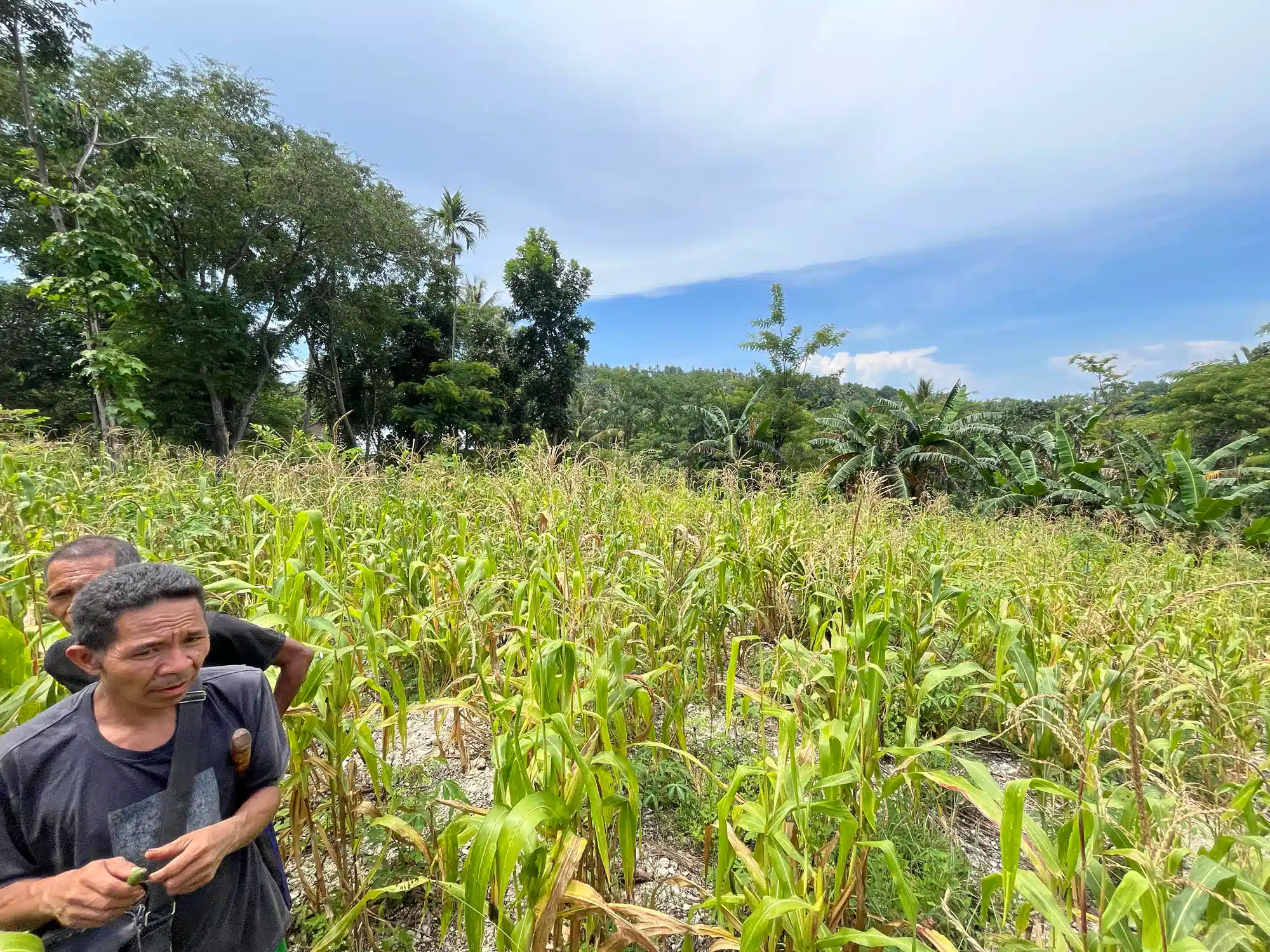
Seeing the children’s progress after our first year and a half was deeply encouraging. Our school in Kot’olin was growing, and we were ready to plan its next chapter. But the existing buildings and land would not provide enough space for the expansion we had in mind. Before we could build, we needed somewhere to grow.
Finding that place became one of the biggest tasks of my two-month stay in West Timor in early 2025. In the end, I spent roughly half of my time searching for land.
Open Land, but Few Suitable Sites
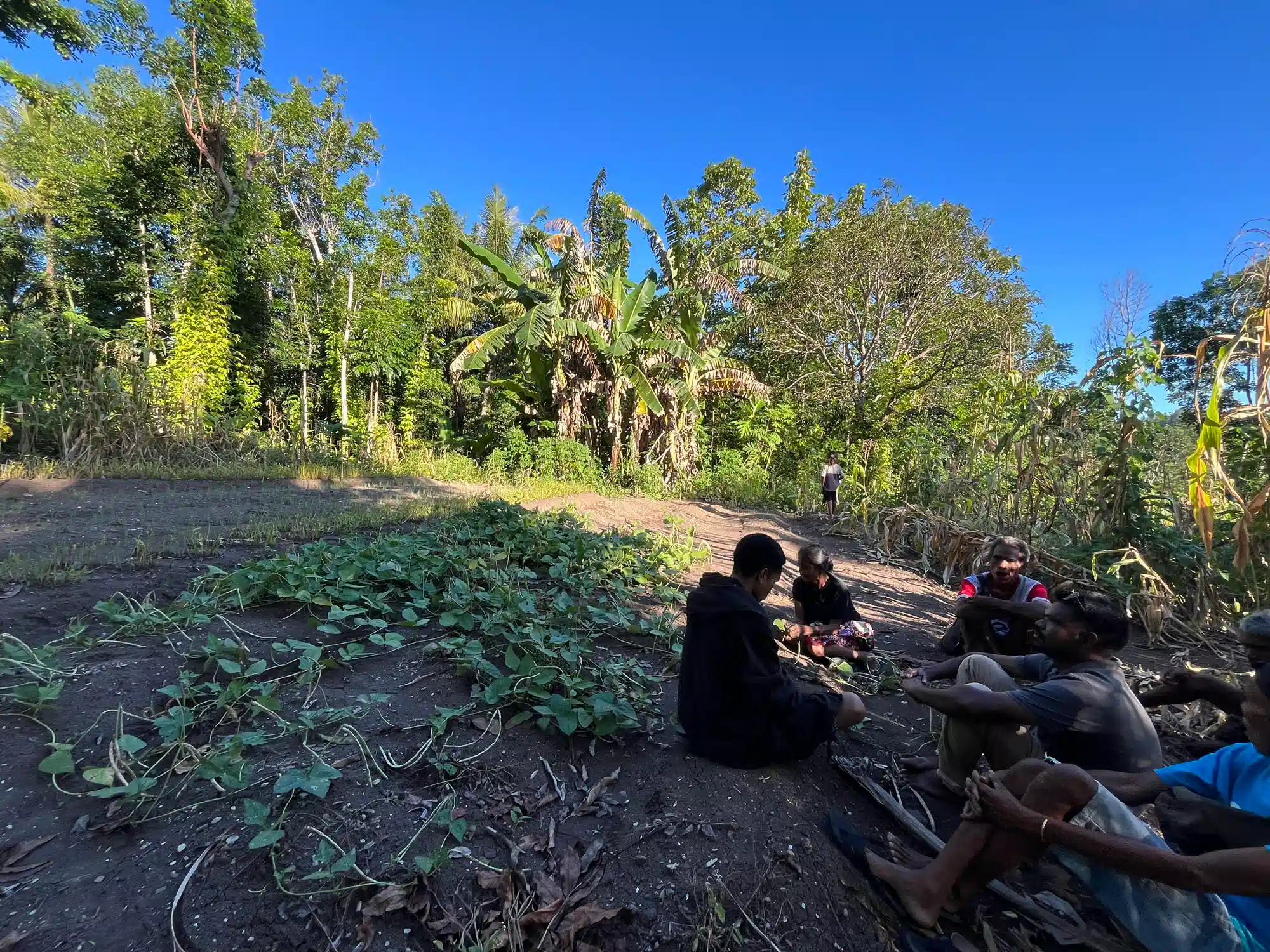
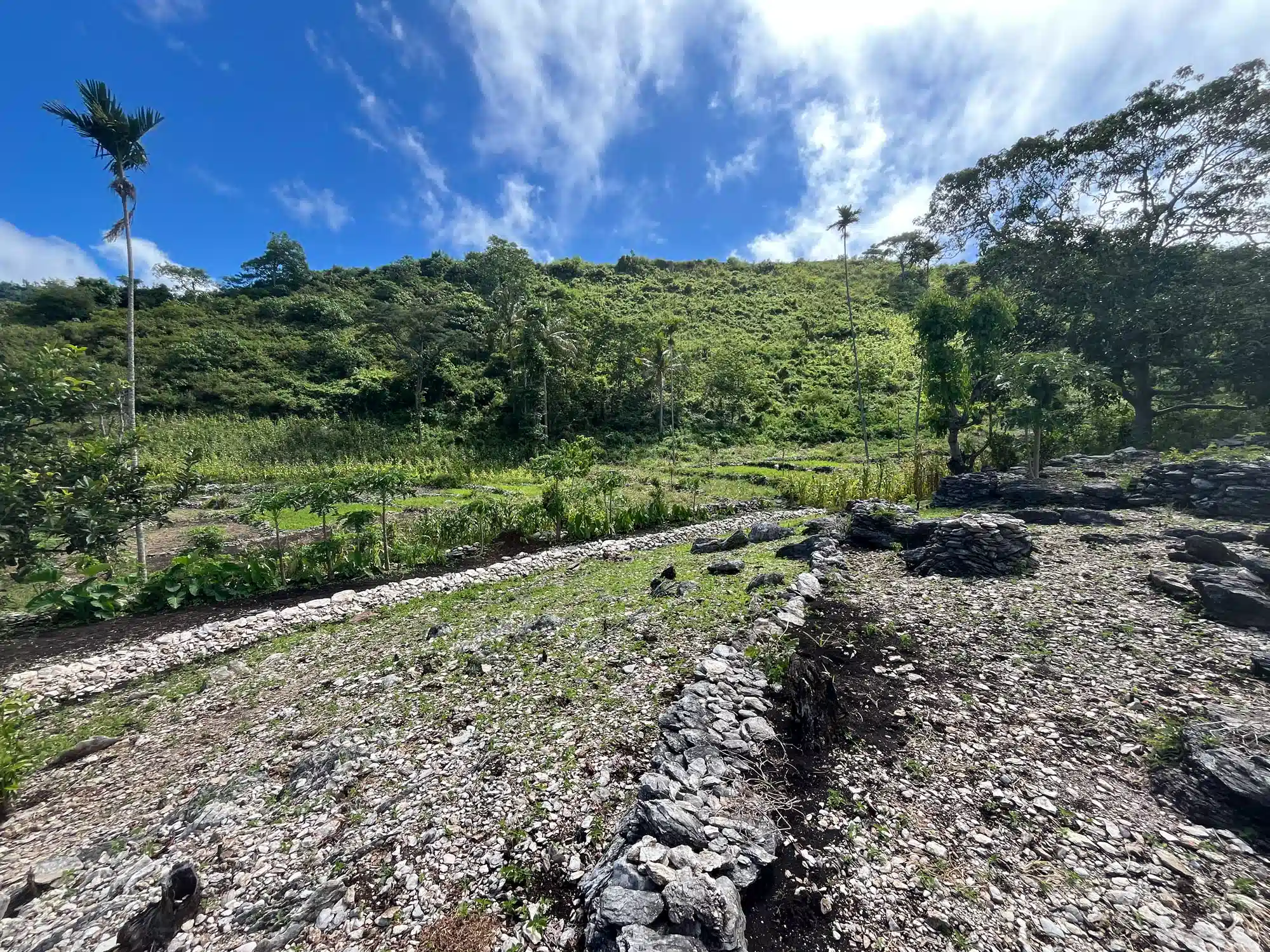
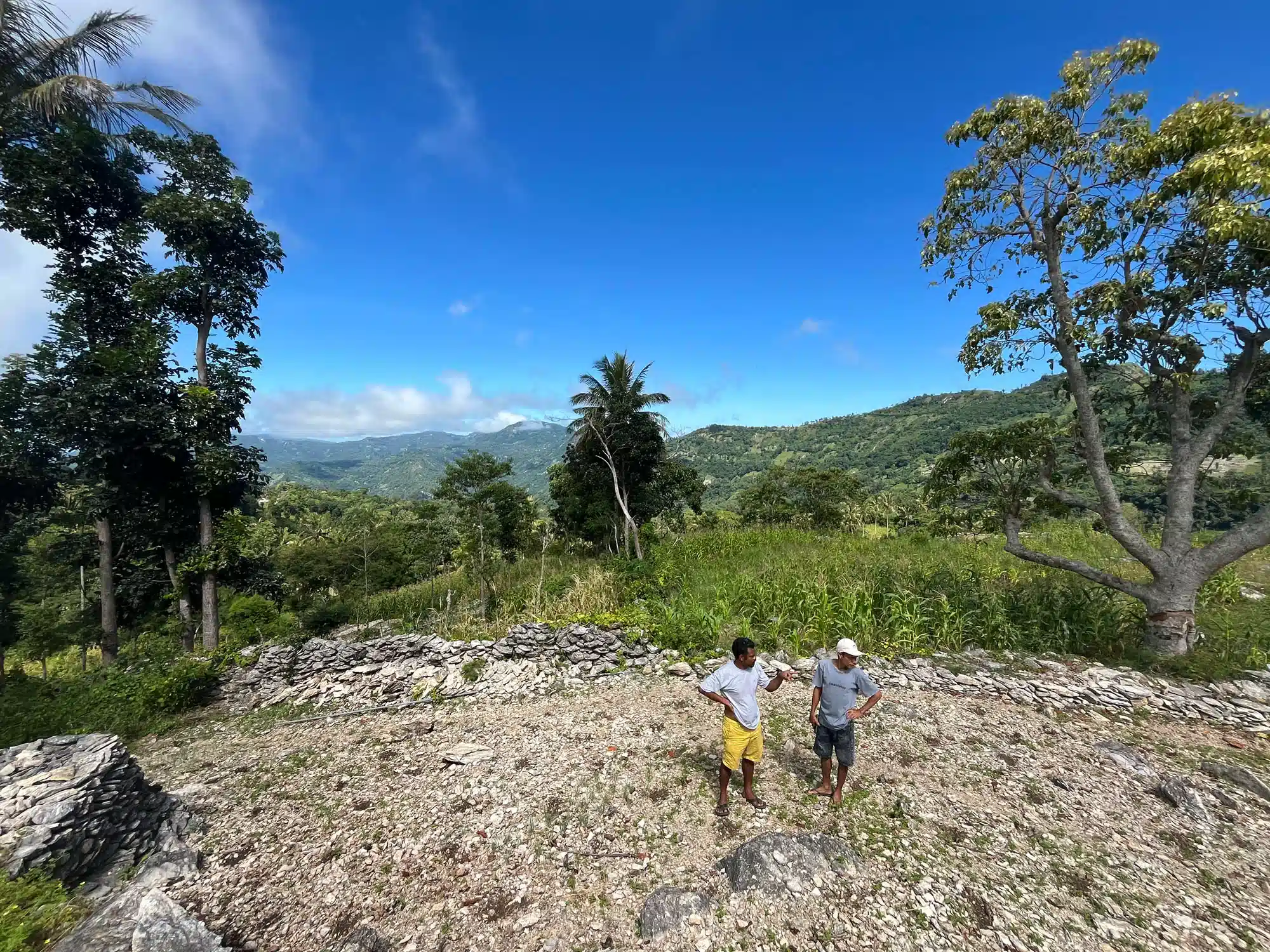
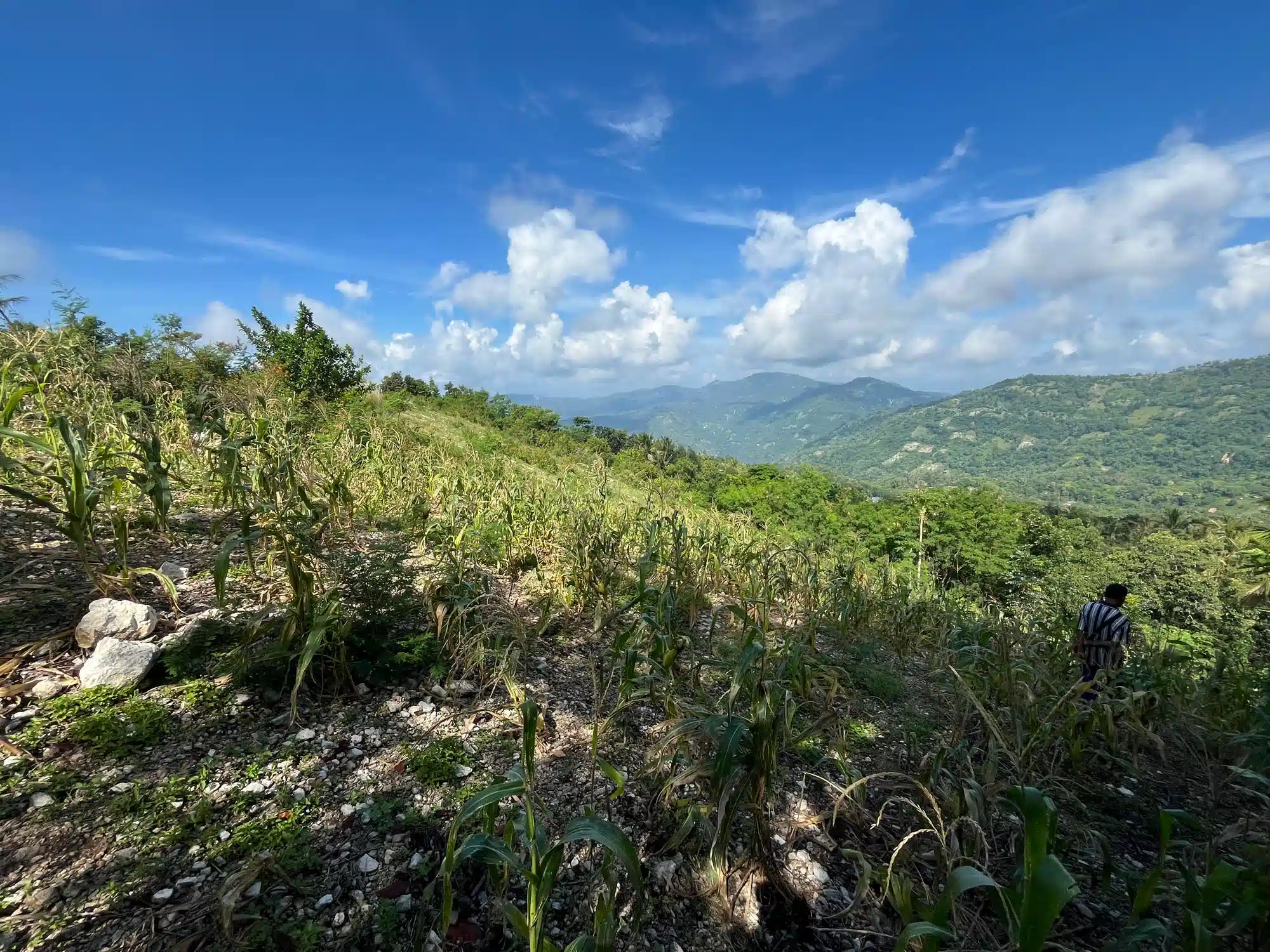
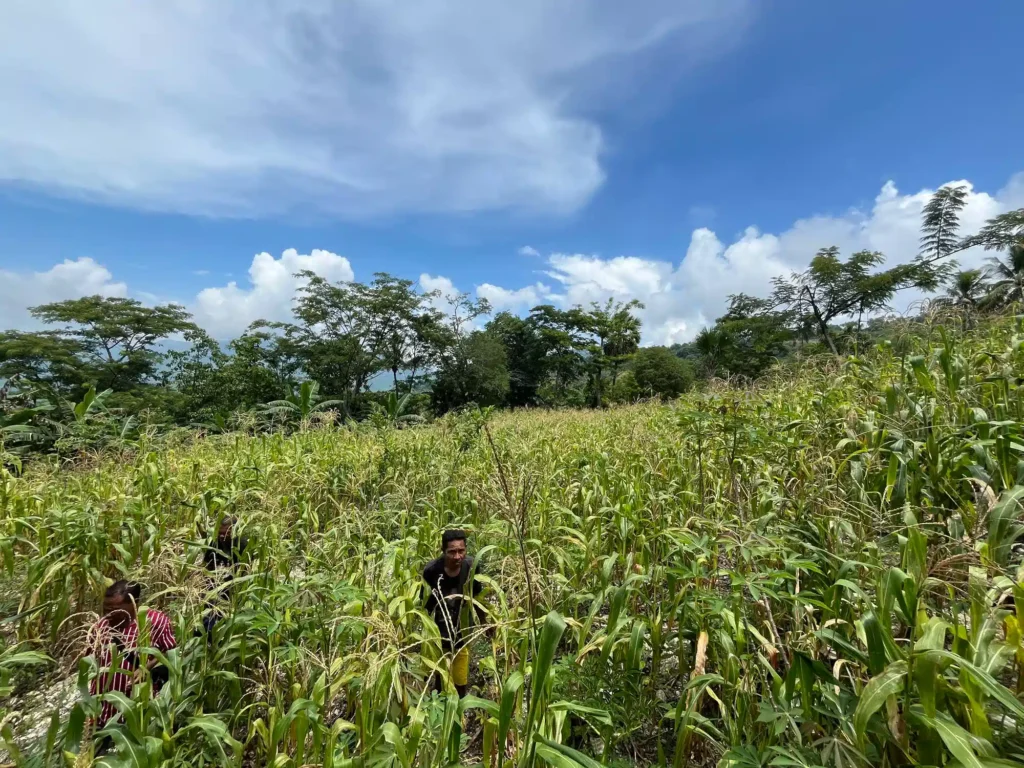
Looking across the hills around Kot’olin, it is easy to imagine that finding land would be straightforward. Houses are scattered across the landscape, and there is plenty of open space. Yet a school needs a very particular kind of location.
It must be close enough to the children’s homes, accessible for everyday journeys and suitable for construction. In this mountainous area, many sites were too steep. Others were far from the village centre, which would have meant a long journey for young children. One possible location would even have required us to build an entirely new access road.
We were looking for around 7,500 to 10,000 square metres, enough to accommodate the next stage and leave room for future development. Many plots we considered were much smaller, typically between 1,000 and 5,000 square metres. Sometimes two neighbouring plots looked like a solution, until we discovered that only one was available.
More Than One Person’s Decision
In our search around Kot’olin, we learned that land decisions usually involved an extended family. A positive conversation with one person was an important beginning, but it did not mean that everyone whose agreement was needed had given their consent.
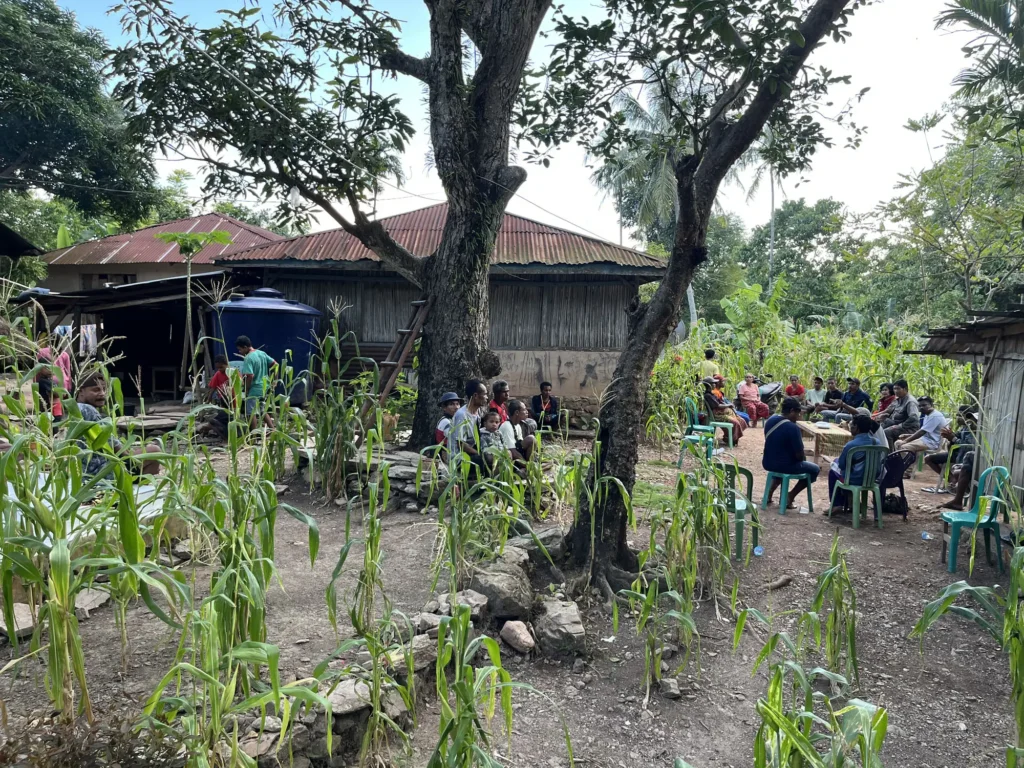
Some relatives lived elsewhere, including in Kalimantan. Their views also needed to be considered. On several occasions, a location seemed promising before a family member decided against it. At other sites, different people claimed the same land, leaving questions that would have to be resolved before we could proceed.
For us, this meant learning to distinguish between an encouraging first conversation and an agreement we could confidently build on. It also meant allowing time for discussions beyond the people we had met ourselves.
Maps, Visits and Community Meetings
There was no local estate agency or established property market we could turn to. Instead, we studied maps, explored possible locations and spoke with people who could help us understand which land might be available.
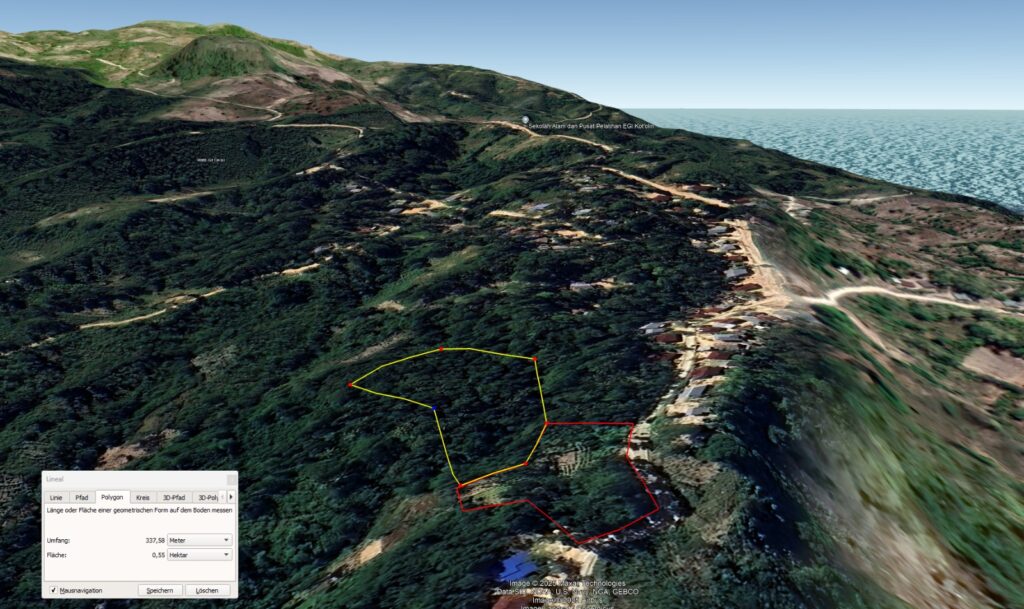
Our local colleagues were essential throughout the search. Some conversations needed to take place in the local language, and their knowledge and relationships helped us find the right people to speak with.
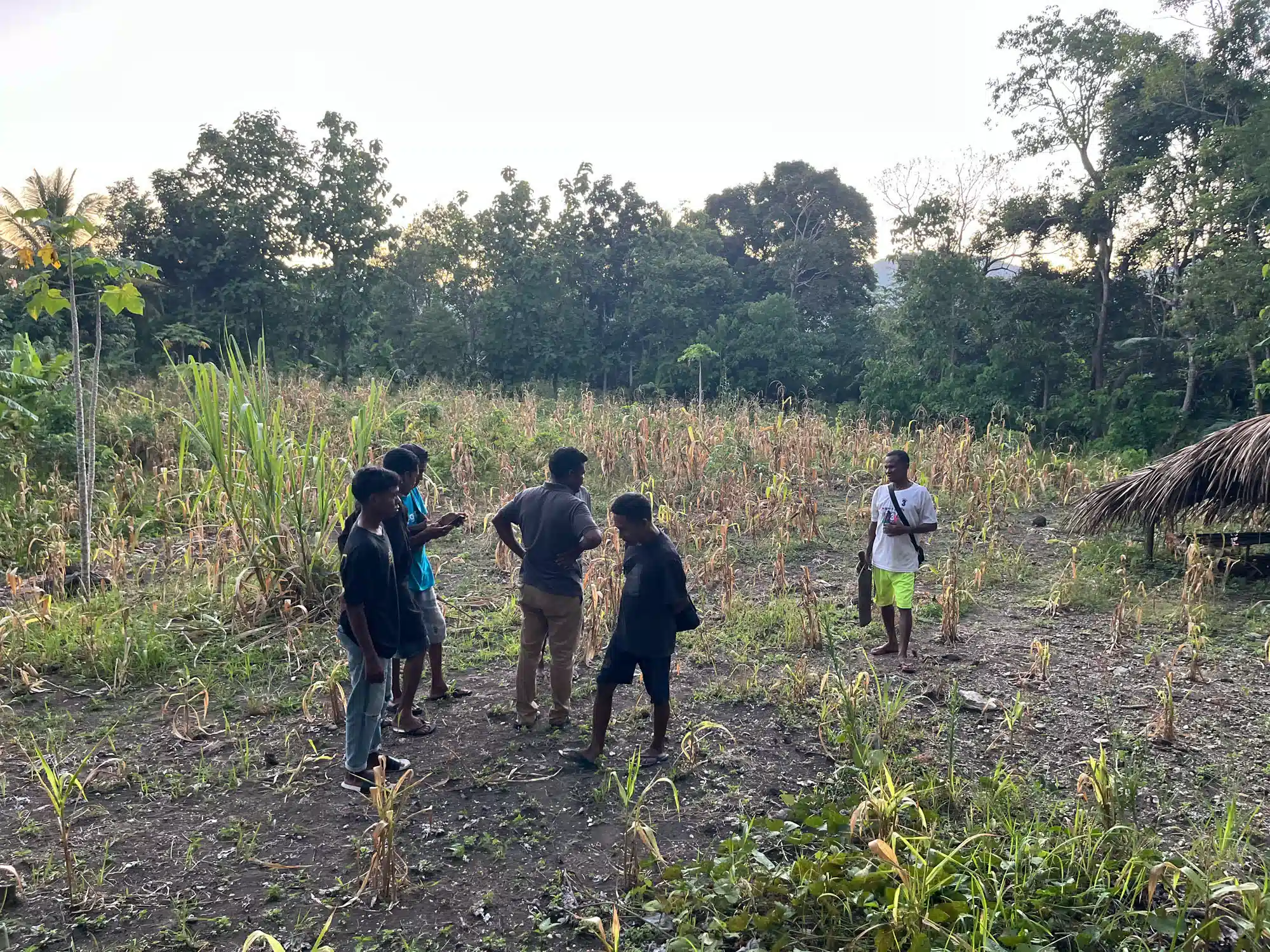
We also arranged community meetings to present the school’s expansion plans and invite suggestions. We prepared presentations and hoped these conversations would help us move forward. Some meetings did not take place as arranged, while others brought possibilities that later fell through.
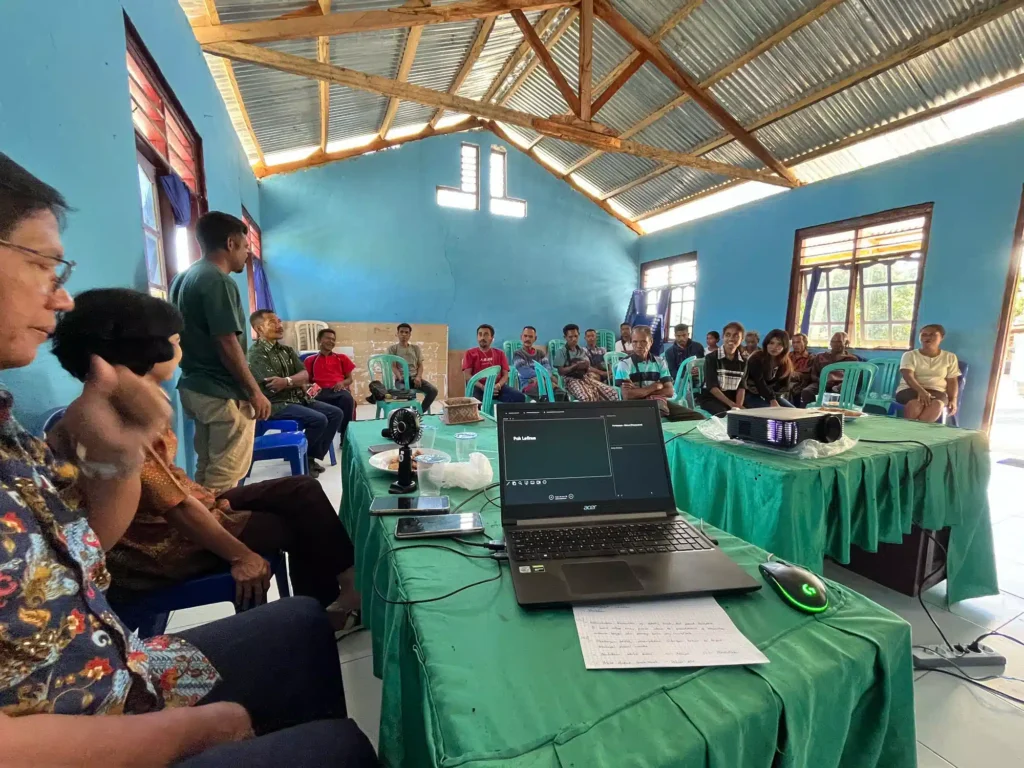
A meeting in Kot’olin brought more active support and further suggestions. That was encouraging, even though many of the proposed locations were still too far from the children’s homes or unsuitable for the space we needed.
A Foundation We Still Needed to Find
By the end of my stay, we had visited many locations and had more conversations than I could have imagined at the outset. We had received repeated refusals, followed promising leads and reconsidered our options. We had not yet secured a suitable site.
That was frustrating, especially after seeing such encouraging progress in the classrooms. We wanted to give the school room to develop, and this essential first step was taking far more work than expected.
The experience made clear why choosing the right location matters so much. It needs to work for the children who travel there each day, for the families involved and for the school as it grows. Finding that place remained one of the most important tasks ahead.